

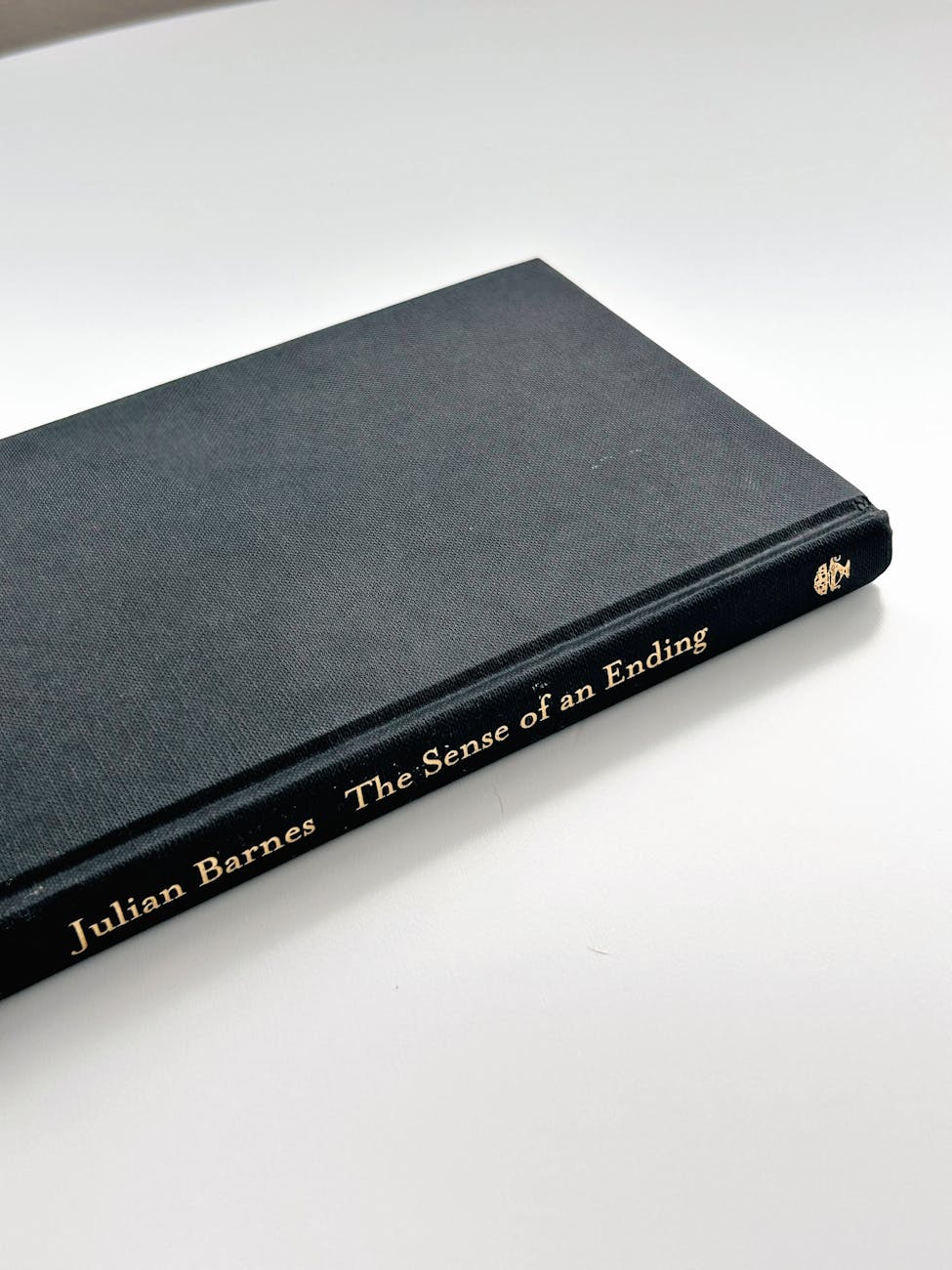

The Siren Song of Continuation: Why This Series Should Have Ended After Book One
The allure of a beloved story is powerful. We become invested in the characters, their worlds, and their ongoing struggles. This investment often breeds a desire for more, a hope that the magic will continue. Yet, not all stories are built for longevity. Sometimes, the most satisfying conclusion is the one that arrives precisely when it’s meant to, leaving us yearning for more rather than groaning for relief. This is the case with [Imagine a Fictional Series Title Here, e.g., “The Chronicles of Eldoria”] – a series whose brilliance peaked in its inaugural volume, and whose subsequent installments, while perhaps entertaining to some, ultimately diluted the potent impact of its origin.
Book One: A Masterclass in Storytelling
From its opening pages, “The Chronicles of Eldoria: The First Seal” shattered expectations. It introduced us to a world brimming with intricate lore, a cast of characters that felt refreshingly complex, and a central conflict that was both grand in scale and deeply personal.
A World Unveiled with Precision
Unlike many fantasy epics that inundate readers with exposition from the outset, “The First Seal” unveiled its world organically. We learned about the fractured kingdoms of Eldoria not through lengthy historical accounts, but through the lived experiences of its protagonists.
- The Whispering Woods: We experienced the oppressive, ancient magic of the woods through Elara’s desperate journey for survival. The descriptions were visceral, imbuing the environment with a character of its own.
- The Sunken Citadels: The remnants of a fallen civilization were revealed through cryptic ruins and fragmented prophecies, sparking our imagination rather than spoon-feeding us information.
- The Political Intrigue: The simmering tensions between the Northern Alliance and the Southern Hegemony were showcased through hushed conversations, strategic missteps, and the immediate stakes they posed to our characters.
This careful world-building laid a solid foundation, creating a sense of wonder and possibility without ever feeling overwhelming. We felt like explorers alongside the characters, piecing together the puzzle of Eldoria as they did.
Characters That Resonated
The success of “The First Seal” wasn’t solely dependent on its setting. Its characters were the beating heart of the narrative, flawed and relatable in their own unique ways.
- Elara, the Reluctant Hero: Orphaned and ostracized, Elara was thrust into a destiny she never sought. Her journey was one of self-discovery, marked by moments of courage, doubt, and a fierce determination to protect those she cared for. Her internal struggles were as compelling as the external threats she faced.
- Kael, the Cynical Warrior: A seasoned soldier haunted by past failures, Kael provided a grounded, often sarcastic counterpoint to Elara’s idealism. His gradual softening and his eventual willingness to trust and protect were earned character arcs, not sudden shifts.
- Lyra, the Enigmatic Mage: A guardian of ancient knowledge, Lyra possessed both immense power and a profound sadness. Her cryptic pronouncements and her hidden motivations added layers of mystery, urging us to decipher her true intentions.
The relationships between these characters felt authentic. Their banter, their arguments, and their unwavering loyalty formed the emotional core of the story, making their triumphs and their losses deeply impactful.
A Conflict with Clear Stakes and a Satisfying Resolution
The central conflict of “The First Seal” revolved around the impending return of the Shadow King, a malevolent entity whose previous reign had plunged Eldoria into darkness. The narrative was tightly woven, building momentum with each chapter towards a climactic confrontation.
- The Prophecy: The ancient prophecy foretelling the Shadow King’s return served as a driving force, but it was never the sole explanation for events. The characters’ actions, their choices, and their sacrifices were what ultimately shaped their destiny.
- The Stakes: The threat was palpable. The potential for widespread destruction, the subjugation of innocent lives, and the extinguishing of hope were made starkly clear. This wasn’t an abstract threat; it was a clear and present danger that demanded immediate action.
- The Climax and Resolution: The final battle was epic, hard-fought, and ultimately victorious. The Shadow King was defeated, not through a convenient deus ex machina, but through the collective efforts and the personal growth of our heroes. The ending provided a sense of closure. The immediate threat was neutralized, and the characters, having faced their greatest trials, found a measure of peace. It was a conclusion that felt earned, a testament to their resilience and their courage.
“The First Seal” was a complete narrative arc. It presented a problem, developed its characters and world, and delivered a satisfying resolution. It was a story that stood on its own, a perfectly formed jewel.
The Unraveling: What Went Wrong in Subsequent Books
Despite the triumphant closure of “The First Seal,” the allure of its success proved too strong. The publishers, eager to capitalize on its popularity, greenlit a sequel. And then another. And another. While each subsequent book in “The Chronicles of Eldoria” offered new adventures, they also began to chip away at the brilliance of the original.
The Dilution of the Central Conflict
The Shadow King was a formidable antagonist, a clear embodiment of evil, making the central conflict of “The First Seal” easy to grasp and inherently compelling. However, once this threat was vanquished, the series struggled to find a comparable antagonist or a conflict with the same level of urgency and clarity.
- The Shadow of the Shadow King: Instead of introducing a truly new threat, later books often revolved around the lingering influence of the defeated Shadow King, or his lesser minions. This felt repetitive and lacked the shock value of the original. It was like fighting a ghost, less immediate and impactful than confronting a living foe.
- Fragmented Narratives: As the series expanded, the narrative began to fragment. Instead of a cohesive overarching plot, we were presented with multiple, often disconnected subplots. While some of these were individually interesting, they diluted the focus and diminished the sense of an urgent, unified quest.
- Escalating Stakes (Without Justification): To maintain reader interest, the stakes were constantly raised. New, more powerful adversaries emerged, ancient evils were reawakened, and world-ending prophecies proliferated. However, these escalated threats often felt unearned. The power levels of characters and villains seemed to arbitrarily increase, undermining the established rules of the world.
The once-clear battle between light and shadow became a murky, convoluted struggle, losing its sharp definition and its emotional resonance.
Character Stagnation and Regression
The characters who were so meticulously developed in “The First Seal” began to suffer from a lack of meaningful progression in the later books.
- Elara’s Echo: Elara, the relatable hero of the first book, became a caricature of her former self. Her agency often felt diminished, and her decision-making felt less driven by her character and more by the plot’s demands. Her internal struggles, which were once so engaging, became repetitive or were sidelined in favor of external action.
- Kael’s Retreat: Kael’s journey of thawing and connection in the first book was reversed or stalled. He often returned to his cynical, detached persona, making his earlier development feel like a temporary phase rather than a fundamental shift.
- New Characters, Same Archetypes: As the cast grew, so did the introduction of new characters. However, these newcomers often felt like thinly veiled rehashes of established archetypes, lacking the originality and depth that made the original cast so compelling. They served to further dilute the focus away from the core characters.
- Forced Romantic Subplots: In an attempt to add emotional depth, the series often shoehorned in romantic subplots that felt inorganic. These relationships often lacked the natural build-up and chemistry seen between Elara and Kael in the first book, feeling more like obligations of the plot than genuine connections.
The emotional heart of the series, once so robust, began to weaken, leaving readers less invested in the characters’ personal journeys.
World-Building Overload and Inconsistencies
While “The First Seal” excelled at organic world-building, subsequent books suffered from an overload of lore and, worse, inconsistencies.
- The Lore Dump: As the series continued, there was a tendency to introduce vast amounts of new history, magic systems, and forgotten civilizations. This often manifested as lengthy exposition, interrupting the flow of the narrative and feeling like an attempt to impress with sheer volume rather than narrative integration.
- Contradictory Histories: The “facts” established in “The First Seal” were sometimes contradicted or significantly altered in later books. This created a sense of unreliability within the narrative and made it difficult for readers to maintain a coherent understanding of the world’s history and rules.
- Magic System Inflation: The rules of magic, which were once relatively consistent, became increasingly arbitrary. New forms of magic, often more powerful than anything previously conceived, would appear without proper explanation or integration into the existing system. This made the stakes feel less real, as the possibility of a magical “fix” for any problem became ever-present.
What was once a richly textured world became a sprawling, often confusing, landscape where the connective tissue struggled to hold.
The Loss of Pacing and Focus
The tight, propulsive pacing of “The First Seal” was a key element of its success. The subsequent books, however, struggled with pacing and focus.
- Bloated Middle Books: Books two through four often felt like sprawling, meandering journeys. The plot would often meander, get bogged down in lengthy travel sequences or repetitive encounters, and lose sight of its ultimate goal.
- The “Bridge” Syndrome: Books in the middle of a long series often fall into the trap of being mere “bridge” books, feeling like filler designed to set up future installments rather than offering a satisfying story in themselves. This was frequently the case with the later Eldoria books.
- Lack of a Clear Narrative Drive: Without the singular, high-stakes goal of defeating the Shadow King, the novels often lacked a clear narrative drive. The characters would react to events rather than proactively pursue a defined objective, leading to a sense of aimlessness.
The narrative momentum that propelled “The First Seal” forward was gradually lost, replaced by a sense of trudging through a story that had overstayed its welcome.
The Irreplaceable Magic of a Single, Perfect Story
The decision to continue a successful story is often driven by commercial interests and the desire to satisfy fan demand. However, sometimes, the greatest service a creator can provide is to trust in the integrity of their original vision. “The Chronicles of Eldoria” is a prime example of a series that should have reveled in the perfection of its first installment.
The Beauty of Closure
A well-crafted conclusion provides a sense of catharsis and satisfaction. It allows readers to process the journey, reflect on the themes, and feel a sense of completion. “The First Seal” offered this in spades. Continuing the story risked undermining that perfect ending, leaving readers with a lingering sense of dissatisfaction.
Preserving the Legacy
By ending after the first book, “The Chronicles of Eldoria” would have been remembered as a groundbreaking, tightly plotted fantasy novel – a modern classic. Its legacy would have been untarnished by the inconsistencies, character regressions, and narrative bloat that plagued its sequels. It would have stood as a testament to what can be achieved when a story is allowed to breathe its last breath at its peak.
The Unfulfilled Potential of “What If?”
While the sequels explored new avenues, they also diminished the tantalizing “what if?” inherent in the original. The tightly contained world and conflict of “The First Seal” left the reader satisfied. The subsequent expansion, while offering more, also opened up too many questions within a narrative that had already provided a complete emotional catharsis. The mystery of the wider world of Eldoria was more potent when left to the imagination, fueled by the rich hints dropped in the first book.
Conclusion: The Art of Knowing When to Stop
The success of “The Chronicles of Eldoria: The First Seal” was immense and well-deserved. It offered a potent blend of compelling characters, a richly imagined world, and a narrative arc that was both thrilling and deeply satisfying. It was a complete story, a perfect jewel. Unfortunately, the siren song of continued success led the series down a path that ultimately diluted its initial brilliance.
By attempting to extend a narrative that had already reached its natural and satisfying conclusion, the series risked alienating the very readers who had fallen in love with its original premise. It became a cautionary tale, a reminder that not every story needs sequels, prequels, or spin-offs. Sometimes, the greatest act of storytelling is to trust in the power of a single, perfectly formed narrative. “The Chronicles of Eldoria” should have been a shining example of that power, a story that we could revisit and cherish for its singular perfection, rather than a sprawling saga that ultimately buckles under the weight of its own ambition. The magic was in the first seal, and in that, it should have remained.