

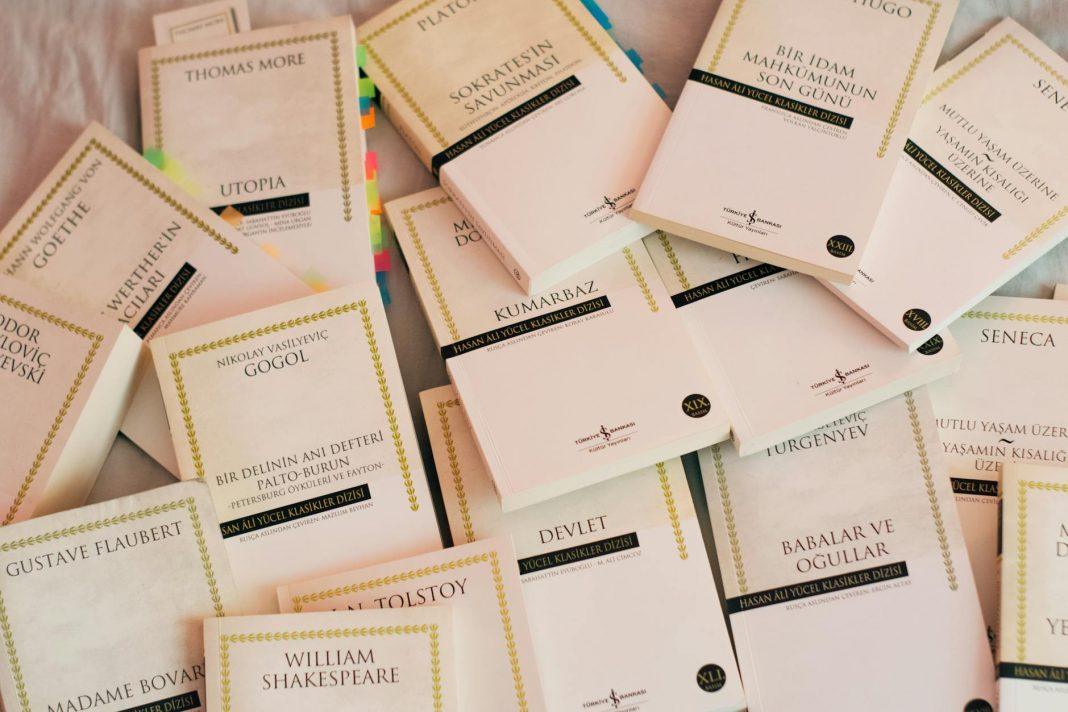

The Silent Muse: Why This Author Refuses to Discuss Their Most Famous Work
It’s a paradox that haunts literary circles and sparks endless debate: an author, celebrated worldwide for a particular book, a novel that has shaped imaginations, redefined genres, and become a cultural touchstone, staunchly refuses to discuss it. Not just a polite evasion, but a complete, almost militant, silence. This isn’t about a fleeting distaste for a past creation; it’s a deliberate, often deeply personal, choice rooted in a complex interplay of artistic evolution, privacy, and the very nature of storytelling.
In this exploration, we’ll delve into the multifaceted reasons behind such a profound refusal. We’ll examine the psychological and artistic pressures that can lead an author to sever ties with their most celebrated child, analyze the implications for readers and critics, and consider whether this silence is an act of defiance, a plea for understanding, or something far more intricate.
The Ghost of a Triumph: When Success Becomes a Cage
For many authors, their breakout success, the book that catapults them into the literary stratosphere, is a double-edged sword. While it brings recognition, financial stability, and a platform for future work, it can also, ironically, become a gilded cage.
The Weight of Expectation
The most immediate pressure is the crushing weight of expectation. Once a book resonates with a massive audience, readers – and critics – often expect the author to replicate that magic, or at least to acknowledge and explain its genesis.
- The “Sequel Syndrome”: Even if the original work wasn’t a series, readers may clamor for more of the same, expecting future novels to echo the themes, tone, and characters that first captivated them. When an author chooses to move in a new direction, they risk alienating the very audience that made them famous.
- The Canonical Interpretations: A successful book often accrues a vast corpus of literary analysis, academic papers, and fan theories. The author might feel that these interpretations, while often insightful, can either miss the mark entirely or ossify the work into something rigid and defined, leaving no room for the author’s own evolving understanding.
- The Constant Rehash: Imagine being asked, year after year, to dissect the same novel, to explain the same plot points, to comment on the same characters’ motivations. For even the most dedicated artist, this repetition can become draining, a relentless interrogation of a past self that no longer reflects their present creative spirit.
The Evolution of the Artist
Art is rarely static. Artists evolve, their perspectives shift, their experiences deepen, and their craft refines. A successful work from years or even decades past might represent a chapter in their life that they have outgrown, or one that they no longer feel accurately represents their current artistic vision.
- Artistic Disconnect: An author might feel that their early work, while beloved by others, no longer aligns with their current aesthetic sensibilities or philosophical outlook. They may have explored new themes, embraced different literary techniques, or undergone significant personal growth that makes revisiting and discussing that specific creation feel disingenuous.
- The Limitations of the Past: They might feel the early work, by its very success, overshadows their later, perhaps more mature or experimental, efforts. By refusing to discuss the famous work, they might be making a quiet plea for their audience to engage with their current artistic output on its own merits.
- The Unrepeatable Spark: Some creative moments are born of a specific confluence of circumstances, a unique inspiration that cannot be manufactured or easily replicated. The author might recognize that the conditions that birthed their most famous work are long gone, and trying to recapture or explain that spark feels like chasing a ghost.
The Personal Toll: When Art Becomes Too Intimate
Beyond the artistic and professional pressures, the refusal to discuss a famous work can stem from deeply personal reasons, where the boundary between the author and their creation blurs into something intensely private.
The Intertwined Self and Story
Some novels are deeply autobiographical, even if cloaked in fiction. The characters might embody aspects of the author’s personality, the plot might mirror personal trauma or significant life events, and the themes might grapple with intensely private struggles.
- Protecting Vulnerability: For an author who has laid bare a part of their soul, the continued dissection and public commentary on that work can feel like a relentless re-exposure of sensitive wounds. Refusing to discuss it becomes a form of self-preservation, a way to reclaim ownership of their private emotional landscape.
- Misinterpretation of Personal Experience: Readers often seek to draw direct parallels between the author’s life and their work, assuming that every fictional element has a literal biographical counterpart. This can lead to invasive speculation and a profound discomfort for an author who feels their personal narrative is being misrepresented or exploited.
- The Experience is Over: The act of writing can be a process of working through an experience. Once the book is published, the author may feel they have fully processed that period of their life. To be forced to revisit it through constant discussion can feel like being trapped in a loop, preventing them from moving fully forward.
The Sanctity of the Creative Process
The act of creation is often a solitary, intuitive, and even spiritual endeavor. For some, the externalization and explanation of this process can diminish its magic or irrevocably alter it.
- The Mystery of Inspiration: The muse is often a fickle and elusive entity. Authors might believe that trying to articulate the precise mechanics of their inspiration demystifies it, potentially hindering future creative flow. There’s a reverence for the inexplicable that accompanies true artistic genesis.
- The Author’s Silence as Sanctuary: By refusing to discuss their work, the author creates a sanctuary for their own creative mind. When the public discourse becomes too loud, too demanding, or too probing, silence can be the only way to protect the inner space where new ideas are born.
The Reader’s Perspective: Navigating the Void
The author’s silence, while understandable from their perspective, can present challenges for their readership. How do readers engage with a work when its creator offers no further commentary or insight?
The Burden of Independent Interpretation
Without authorial guidance, readers are left entirely to their own devices to interpret the text. This is, in many ways, the ideal scenario for literary analysis, but it can also be daunting for those accustomed to author interviews, critical essays, or behind-the-scenes anecdotes.
- Empowerment of Individual Meaning: The absence of the author’s voice can empower readers to find their own personal meanings in the text, free from the constraints of authorial intent. This can lead to a richer, more inclusive engagement with the work.
- The Frustration of Unanswered Questions: However, readers might also experience frustration when they have specific questions about plot holes, character motivations, or thematic nuances that the author has chosen not to address. This can leave a sense of incompleteness for some.
- The Rise of the “Reader-Critic”: The author’s silence encourages the development of a strong “reader-critic” culture, where fans and literary enthusiasts dissect the work, forming communities around shared interpretations and debates.
Respecting the Artist’s Boundaries
Ultimately, engaging with the work of an author who refuses to discuss their most famous creation requires a degree of respect for their boundaries.
- Focus on the Text: It encourages a deeper, more focused engagement with the text itself, appreciating it as an independent entity with its own life. The words on the page become the primary source of meaning.
- Accepting Ambiguity: It requires an acceptance of ambiguity and an understanding that not all artistic questions have definitive answers, especially when the artist deliberately chooses to leave some doors closed.
- Supporting Future Work: By respecting the author’s refusal, readers signal their understanding and support for their evolving artistic journey, potentially opening them up to appreciate new creations without the baggage of past successes.
Case Studies: The Authors Who Speak Through Silence
While a comprehensive list would be extensive, several prominent authors have, in various ways, demonstrated a reluctance or outright refusal to engage extensively with certain aspects of their most famous works.
The Reclusive Genius
Some authors, by their nature, are intensely private, and their most famous works often carry an aura of mystery that their creators are loath to dispel. Their silence is not necessarily a rejection of the work, but an extension of their inherent personality. They may let the book stand as a testament to their creative power, without needing to add further explanation or justification.
- Example: Consider the literary giants of the past whose personal lives were often shrouded in mystery. Their works are dissected and debated endlessly, but direct authorial input on specific passages or motivations might be scarce or non-existent, forcing readers to rely solely on the text.
The Artist Who Moved On
Other authors might have explicitly stated their desire to move beyond their early, iconic work. They might feel that discussing it constantly pulls them back from their current artistic trajectory, a trajectory they are eager to explore and have validated.
- Example: An author who writes a groundbreaking sci-fi novel early in their career might spend the next two decades exploring literary fiction, historical dramas, or poetry. When every interview inevitably circles back to the sci-fi novel, they might progressively shut down, not out of spite, but out of a desire to be seen and appreciated for their current artistic self.
The Accidental Iconoclast
Sometimes, the refusal is less a conscious artistic statement and more a byproduct of trauma or a deeply personal reaction to the way the work was received or interpreted. The book might have touched upon a raw nerve that the author is unwilling to prod publicly.
- Example: A novel that draws heavily on a traumatic personal experience might become a bestseller due to its raw emotional power. However, the author, having used the book as a cathartic process, might find the public curiosity and analysis of that trauma unbearable, leading to a firm refusal to discuss any aspect of it.
The Ethics of Silence: A Bold Artistic Stance
The author’s refusal to discuss their most famous work, while potentially frustrating for some, is a legitimate artistic and personal stance. It raises important questions about:
- Authorship and Ownership: Who truly “owns” a work once it’s released into the world? The author, or the collective consciousness of its readers and interpreters? This silence reasserts the author’s ultimate control over their narrative.
- The Nature of Art: Does art require authorial explanation to be complete? Or is its power amplified by its inherent mystery and the space it creates for individual meaning?
- The Artist’s Right to Privacy: Authors are not public utilities. They are individuals with evolving lives and artistic journeys. Their right to privacy, and to define the terms of their engagement with their own creations, is paramount.
Conclusion: The Enduring Power of the Unspoken
The author who refuses to discuss their most famous work is not necessarily an enigma to be solved, but an artist who has made a deliberate choice about how they engage with their legacy. Whether driven by a need to protect personal boundaries, to foster artistic evolution, or to uphold the sanctity of the creative process, this silence speaks volumes.
It challenges us to engage with art on its own terms, to respect the artist’s autonomy, and to accept that some of the most profound meanings are found not in explanations, but in the quiet contemplation of the work itself. In a world saturated with commentary and analysis, the author’s steadfast silence can become the most powerful statement of all, a testament to the enduring, and sometimes private, power of their most celebrated creation. The book, in its silent resilience, continues to live, breathe, and resonate, unburdened by the demands of its creator’s further discourse.